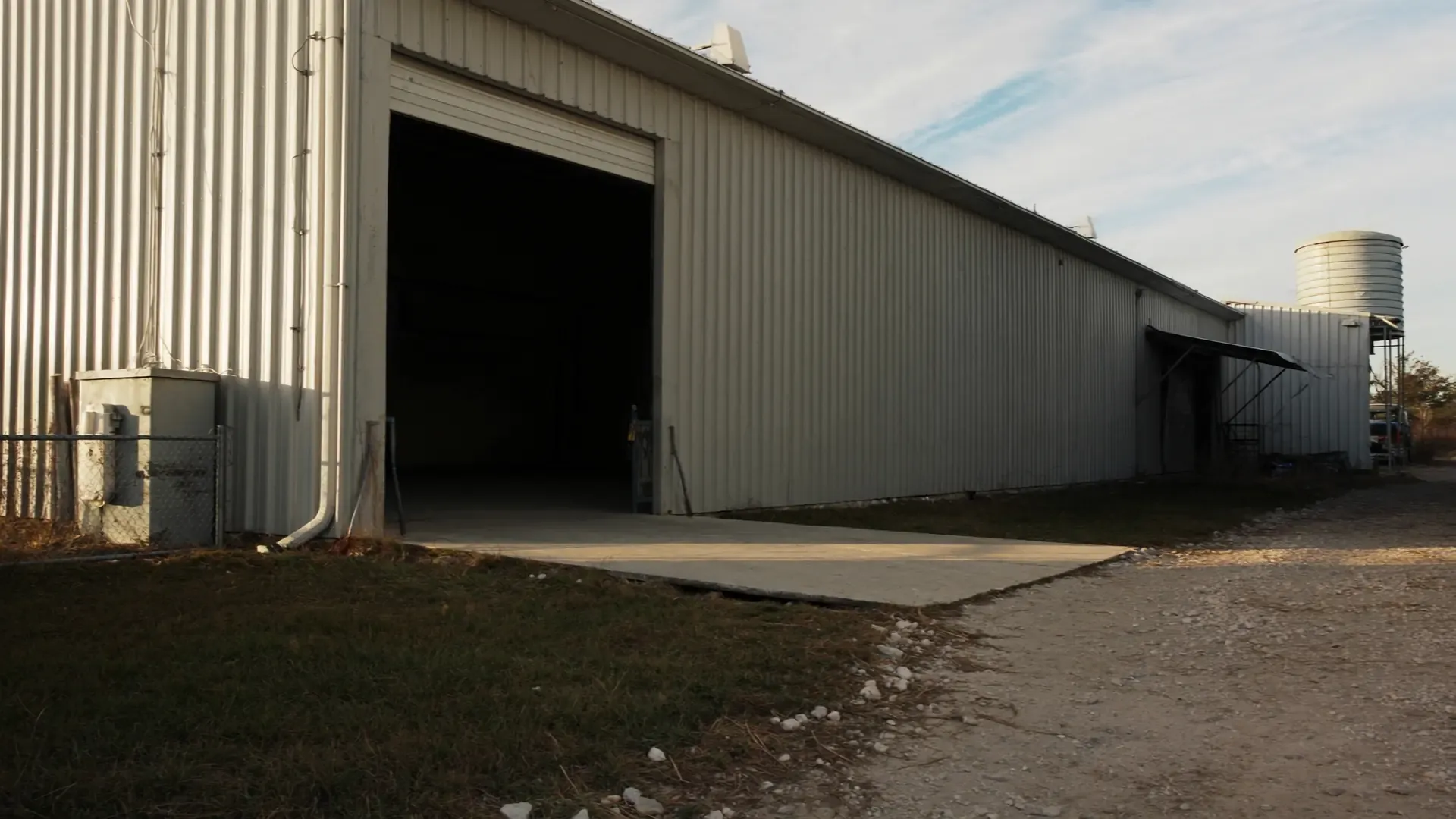
The number is built out of the building, not read off a chart. What moves it: the footprint and eave height, the clear span the frame has to carry, the loads the manufacturer designs to, the door schedule, the insulation and whether the building is conditioned, the slab the ground under the lot calls for, the site work and driveway, the utility extension, and the agency fees above, which are the only part anyone can quote before a site visit. Only the contractor who walks the lot puts the rest together.
Three programs are worth naming, with no figures attached, because the agency's own page is the one that stays current. The U.S. Small Business Administration's 504 loan may be used for the purchase, construction or renovation of buildings or land and for long-term machinery and equipment, and not for working capital, inventory, or speculation or investment in rental real estate. The SBA 7(a) loan lists acquiring, refinancing or improving real estate and buildings among its permitted uses. Under 13 CFR 120.131 the borrower has to occupy most of an existing building, and a larger share of new construction, with a limited part of a new building leased permanently and the rest occupied on a schedule. Each may be offered to an owner who qualifies, terms change, and the agency pages linked below are the ones to read.
SourcesU.S. Small Business Administration, 504 loans, and the 504 loan program fact sheet for borrowers, read 2026-09-20; U.S. Small Business Administration, 7(a) loans, and the SBA lender resources page, read 2026-09-20; Office of the Federal Register, eCFR, 13 CFR 120.131, read 2026-09-20.