Central Texas Metal Buildings

Permits and process, 14 primary sources

TDLR registration for metal buildings over $50,000 in the Austin area

A metal building in the Austin area registers with the Texas Department of Licensing and Regulation when its estimated construction cost is $50,000 or more and it is a building the state accessibility law covers.

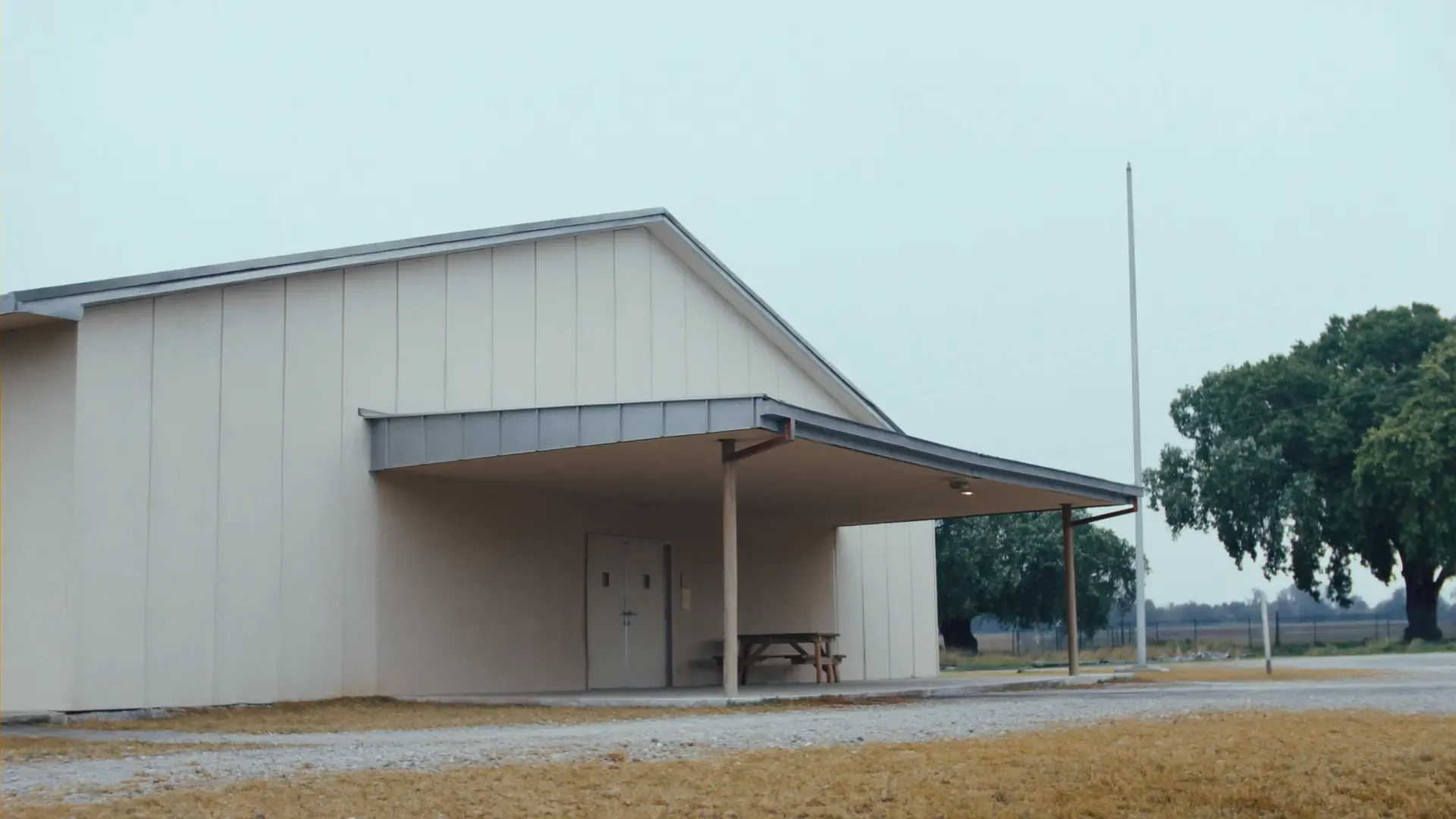
A metal community building with a covered entry on a gravel lot in Central Texas. Illustrative photograph, not a project record.

Under that line nothing is submitted, but the Texas Accessibility Standards still apply. The line is a state rule, so it reads the same inside Austin, in unincorporated Williamson County where the county's own pages list no building permit, and across Travis, Bastrop, Caldwell, Lee and Burnet counties.

Keep reading

This page covers who files, the 20-day clock, the plan review and the inspection, the fees the agency publishes, what applies under the line, and which buildings the standards reach, every line read at the agency's own pages and the statute on 2026-09-20.

Inside Georgetown

Commercial building permit, 30 business day review

Georgetown requires a Commercial Building Permit application through My Government Online for new ground-up commercial construction, remodels, tenant finish-outs, additions and facade changes, with bookmarked PDF plans, the TDLR registration, a ComCheck and proof of transportation impact fees, and it will not accept the application until Planning has issued first-round site plan comments.

Source City of Georgetown Building Inspections, 300-1 Industrial Ave., read 2026-09-20.

Unincorporated Williamson County

No county building permit, building code or certificate of occupancy

Williamson County's own pages answer the building permit question by pointing to the County Engineer's Road and Bridge Division, which issues a Certificate of Compliance that verifies whether the property is in a floodplain, and say nothing else is needed from that office unless a driveway is being built.

The source was read and does not list this. Source Williamson County, frequently asked questions, infrastructure and developers, read 2026-09-20.

Williamson County, read at the county's and the city's own pages. The whole record is on that county's sheet.

Does a metal building in the Austin area have to register with TDLR?

Yes, when two things are true: the estimated construction cost is $50,000 or more, and the building is one the state accessibility law covers. Government Code 469.101 puts the line in statute: plans and specifications for the construction or substantial renovation of a covered building go to the department for review and approval when the estimated construction cost is at least $50,000. The agency's own frequently asked questions say the same thing from the other side: a project whose total estimated cost is under $50,000 is not submitted for registration or plan review, and a project of $50,000 or more submits a full set of construction documents under Administrative Rule 68.50.

On a commercial building in Travis, Williamson, Bastrop, Caldwell, Lee or Burnet County, that makes the accessibility line the second question to settle, right after the jurisdiction question. The permit office changes at the city line. The accessibility line does not: the statute keys it to the building and its estimated cost, not to which office permits the lot.

Where the lot sits decides the permit path, which is the subject of the permit guide for Austin and Travis County. The whole order of steps, from the lot to the finished building, runs on Building a Metal Building in the Austin Area.

SourcesTexas Department of Licensing and Regulation, Architectural Barriers frequently asked questions, read 2026-09-20; Texas Legislature Online, Government Code Chapter 469, elimination of architectural barriers, read 2026-09-20.

Which buildings do the Texas Accessibility Standards reach?

Government Code 469.003 lists the buildings the accessibility law reaches, and two of the categories are privately funded: a building that is a public accommodation under the federal Americans with Disabilities Act and was constructed, renovated or modified on or after January 1, 1992, and a building that is a commercial facility under that Act on or after September 1, 1993. Section 469.003(c) excludes a place used primarily for religious rituals within a building of a religious organization. A single-family home is not among the listed categories.

Read against the buildings this site prices, the statute sorts by category rather than by building type, and the record settles one thing outright: a single-family home is not among the listed categories. Whether a commercial metal building, a warehouse or a business shop is a public accommodation or a commercial facility under the Act is a coverage question, and 469.003 is the record the design professional answers it from, not this page.

Church and community buildings sit on one sentence of the statute. The exclusion in 469.003(c) is written for a place used primarily for religious rituals within a building of a religious organization, and the record says nothing more about the rest of a church campus than that. Fellowship halls, offices and classrooms on that campus are a coverage question for the design professional against the same section.

SourceTexas Legislature Online, Government Code Chapter 469, elimination of architectural barriers, read 2026-09-20.

Does the slab and the site work count toward the $50,000?

TDLR's Special Project Registration form says the estimated cost that decides the $50,000 question excludes site acquisition, architectural, engineering or consulting fees, furnishings, and equipment that is not part of the building mechanical systems. That is the list the record gives. Whether a given line on your bid is in or out of the estimate is a question for the design professional who files the registration, working from that list.

One county in this footprint already asks for the number in sealed form. Outside city limits in Travis County, a commercial project that is not a dwelling applies for a Development (Non-Residential) permit with a sealed construction cost estimate and a site plan sealed by a Texas-licensed engineer. An owner who has that estimate in hand has a sealed number to give the design professional who applies the TDLR form's exclusions to it.

SourcesTexas Department of Licensing and Regulation, Special Project Registration Application, form EAB-Compliance-245N-E, read 2026-09-20; Travis County TNR Development Services, Commercial Site Plan, read 2026-09-20.

Who files the registration, and by when?

Government Code 469.102 puts the duty to submit on the architect, interior designer, landscape architect or engineer with overall design responsibility, due no later than the 20th day after the plans are issued, not counting weekends and legal holidays. On a commercial metal building in this footprint, the records put a Texas professional engineer on the sheets in two places: inside Austin, plans for work in a building or portion of a building over 5,000 square feet have to be sealed by a professional engineer, and in unincorporated Travis County the Fire Marshal takes plans stamped by a Texas licensed engineer. Ask that engineer, in writing, who is filing the registration and on what date.

The owner's side of the same section is a stop sign. The owner may not apply for a local building permit or start construction before the plans are submitted, and a local permit official may not accept a permit application for a building subject to the $50,000 line unless registration with the department is verified. TDLR's rule reorganization effective September 1, 2023 adds a detail worth knowing before the packet goes in: incomplete forms are not accepted, under Rule 68.12.

  • Plans issued by the design professional with overall design responsibility.

  • Registration submitted no later than the 20th day after that, weekends and legal holidays not counted.

  • Only then the local building permit application, where the lot has an office that issues one.

  • Only then construction.

SourcesTexas Legislature Online, Government Code Chapter 469, elimination of architectural barriers, read 2026-09-20; Texas Department of Licensing and Regulation, Elimination of Architectural Barriers rules updates, September 1, 2023, read 2026-09-20; City of Austin Development Services, commercial building plan review and inspection permit fees (FY 2025-26) and the commercial building application checklist, read 2026-09-20; Travis County Fire Marshal, permits and plan reviews, and Travis County Code Chapter 201, read 2026-09-20.

The order the state runs it, against the order the county does

A project registered in TDLR's TABS system has to have a plan review before inspection unless the department registers it as a special registration. Where a registered accessibility specialist takes the project, TDLR says the specialist has 30 days to accept or decline it and 30 days to complete a shared plan review.

After the building is finished, Government Code 469.105 makes the owner of a building subject to the $50,000 line responsible for an inspection within one year after construction or substantial renovation is completed, performed by the department, a contract entity or a registered accessibility specialist. Under Rule 68.52(b), in force since September 1, 2023, a representative of the owner has to be present at the registered accessibility specialist inspection. Section 469.103 sends approved plans back for review when they are substantially modified, so a substantial change to the approved set after approval is a second review, not a note in the file.

SourcesTexas Department of Licensing and Regulation, Architectural Barriers frequently asked questions, read 2026-09-20; Texas Legislature Online, Government Code Chapter 469, elimination of architectural barriers, read 2026-09-20; Texas Department of Licensing and Regulation, Elimination of Architectural Barriers rules updates, September 1, 2023, read 2026-09-20.

The fees TDLR publishes

These are the agency's own figures, read at its Architectural Barriers fee page on 2026-09-20. On the fee page, the review and the inspection are priced off the estimated cost of construction with no dollar tiers printed anywhere, so those two lines are not printable here.

The late fee is the one to watch on a project that started without the filing. A project registered with the department after construction is complete pays the $300 late project filing fee in place of the $175 project filing fee, in addition to the plan review fee.

TDLR Architectural Barriers fees as the agency's own fee page and Special Project Registration form list them, read 2026-09-20.

On a phone this table scrolls sideways.

FeeAmountWhat the record says about it
Project filing fee$175Registering a project
Late project filing fee$300A project registered after construction is complete, in place of the $175 filing fee and in addition to the plan review fee
Plan review feeSet by the estimated cost of constructionNo dollar tiers published
Inspection feeSet by the estimated cost of constructionNo dollar tiers published
Special review or inspection fee$215 per hour, one hour minimumListed on the fee schedule
Variance application fee$175 eachListed on the fee schedule
Variance appeal fee$200 eachListed on the fee schedule
Special Project Registration$175, non-refundableA project under $50,000 or not subject to the law; the registered accessibility specialist sets and collects its own plan review and inspection fees

SourcesTexas Department of Licensing and Regulation, Architectural Barriers fee schedule, read 2026-09-20; Texas Department of Licensing and Regulation, Special Project Registration Application, form EAB-Compliance-245N-E, read 2026-09-20.

Under $50,000: the standards still apply, the filing is optional

A project whose total estimated cost is under $50,000 is not submitted for registration or plan review, yet the Texas Accessibility Standards still apply to it. That is the agency's own sentence and it cuts both ways: no filing, no filing fee and no state plan review, and the same standards on the building.

An owner who wants a review anyway can file the Special Project Registration form for a $175 non-refundable fee. The construction documents and any plan review or inspection fee then go to a registered accessibility specialist, who sets and collects its own fees. The same form is the one for a project that is not subject to the accessibility law at all.

What the agency does not say matters on a shop bid that lands near the line. The TDLR frequently asked questions do not say whether a city or a county building official may require registration for a project under $50,000; for coverage questions the page points to Government Code 469.003 and Rules 68.20 and 68.30. So whether the office that permits your lot asks for a registration on a project under the line is that office's answer to give, not this page's.

SourcesThe agency page was read and does not address this.Texas Department of Licensing and Regulation, Architectural Barriers frequently asked questions, read 2026-09-20; Texas Department of Licensing and Regulation, Special Project Registration Application, form EAB-Compliance-245N-E, read 2026-09-20.

Where does TDLR registration meet the permit office in Travis, Williamson and Caldwell counties?

At the counter, where the statute puts it: a local permit official may not accept a permit application for a building subject to the $50,000 line unless registration with the department is verified. What each office in this footprint actually lists is in its own record, dated as read.

  • Inside Austin, the commercial building application checklist carries the TDLR registration confirmation as part of the application, next to the professional engineer's seal on plans for work over 5,000 square feet and the site-specific geotechnical report for new construction.

  • In unincorporated Travis County, a commercial project that is not a dwelling applies for a Development (Non-Residential) permit with a sealed construction cost estimate and a site plan sealed by a Texas-licensed engineer, and a pre-construction meeting sets which inspections apply. The Permit Desk at (512) 854-4215 is the office that says what else goes in that packet.

  • In unincorporated Williamson County, the county's own pages point the building permit question to the County Engineer's Road and Bridge Division and its Certificate of Compliance, and say the county issues no building permits and has no authority to issue a Certificate of Occupancy. That leaves no county building permit application in the record for the statute's permit-official check, and the duty to register does not depend on one: under 469.102 the owner may not start construction before the plans are submitted.

  • In unincorporated Caldwell County, the Commercial Site Construction Permit application asks for proof of TDLR registration outright, with the engineer-certified drawings, the engineer's summary letter, a cost estimate and, where they apply, the septic and driveway applications.

  • Bastrop, Lee and Burnet counties each issue their own development or building permit outside their cities. Each county page on this site prints that record in full, with the office and the phone number to ask.

SourcesTexas Legislature Online, Government Code Chapter 469, elimination of architectural barriers, read 2026-09-20; City of Austin Development Services, commercial building plan review and inspection permit fees (FY 2025-26) and the commercial building application checklist, read 2026-09-20; Travis County TNR Development Services, Commercial Site Plan, read 2026-09-20; The source was read and does not list this.Williamson County, frequently asked questions, infrastructure and developers, read 2026-09-20; Caldwell County Development Ordinance, revised February 14, 2023, and the subdivision and development fee schedule, read 2026-09-20; Bastrop County Development Services, and the Development Services application fees, read 2026-09-20; Lee County Development Services Department, read 2026-09-20; Burnet County, on-site sewage facilities and development permits, read 2026-09-20.

Asked before pricing

Does a shop under the $50,000 line register with anyone in unincorporated Williamson County?

Not with the state, and the county lists no building permit to file either. TDLR says a project whose total estimated cost is under $50,000 is not submitted for registration or plan review, and Williamson County's own pages list no county building permit outside its cities. The Texas Accessibility Standards still apply to the building, the Fire Marshal's fire code permit still applies to a commercial establishment, and an owner who wants a review anyway files the Special Project Registration form for a $175 non-refundable fee, with a registered accessibility specialist setting its own review and inspection fees. Read at the agency's own pages and the county's, 2026-09-20.

Who files the TDLR registration for a metal building in unincorporated Williamson County?

The architect, interior designer, landscape architect or engineer with overall design responsibility, no later than the 20th day after the plans are issued, not counting weekends and legal holidays, under Government Code 469.102. That duty does not depend on a county permit: Williamson County's own pages list no county building permit outside its cities, and the statute still bars the owner from starting construction before the plans are submitted.

Does a church building in the Austin area go through TDLR accessibility review?

Government Code 469.003(c) excludes a place used primarily for religious rituals within a building of a religious organization. The same section lists a public accommodation and a commercial facility under the Americans with Disabilities Act among the buildings the law reaches, and a single-family home is not among the listed categories. Which parts of a church campus fall inside the line is a coverage question the design professional settles against 469.003.

What does the registration itself cost before a contractor is chosen?

TDLR publishes a project filing fee of $175, a late project filing fee of $300 for a project registered after construction is complete, a special review or inspection fee of $215 per hour with a one hour minimum, a variance application fee of $175 each and a variance appeal fee of $200 each. The fee page prices plan review and inspection off the construction cost estimate and prints no schedule of tiers for either one. Read 2026-09-20.

Free estimate, six questions

Price a metal building on your land

The county tells a contractor which permit office your lot answers to. The building and the timing tell them what to look at first. Pricing it is free, and you owe nothing either way.

By submitting this form, I agree that Central Texas Metal Buildings and a metal building construction contractor may contact me at the phone number and email address I provided, including by automated phone calls and prerecorded messages, regarding metal building construction services. Consent is not a condition of any purchase. Message and data rates may apply. I may opt out at any time by asking to be removed during any call or by replying to any email. See our Privacy Policy.

Your request goes to an independent local metal building contractor serving Central Texas, not a national lead list.

Ready to put a price on the building?

Your request goes to an independent local metal building contractor serving Central Texas, not a national lead list. Pricing it is free, and you owe nothing either way.

Last reviewed 2026-09-20.

Price my building